Cold Air, Hot Coffee: The Ultimate Guide To Managing Winter Tooth Sensitivity In Christchurch

As the crisp Canterbury autumn transitions into the biting cold of a classic local winter, we all start making familiar adjustments. We dig out our heavy woollen coats, turn up the heat pumps, and look forward to warming up with a hot flat white from our favourite Riccarton café.
However, for a significant number of Christchurch residents, this shift in season brings a much less welcome guest: a sudden, sharp, and painful jolt in their teeth.
If taking a breath of frosty morning air or enjoying a warm winter soup causes your teeth to throb or ache, you are definitely not alone. Tooth sensitivity is one of the most common clinical complaints we see at Duxton Dental, and it tends to spike dramatically as the temperature drops.
To help you enjoy the winter season without constantly flinching, our clinical team has put together this comprehensive guide to understanding why winter triggers tooth pain, and the safest, most effective ways to treat it.
The Anatomy Of A Sensitive Tooth: What Is Actually Happening?
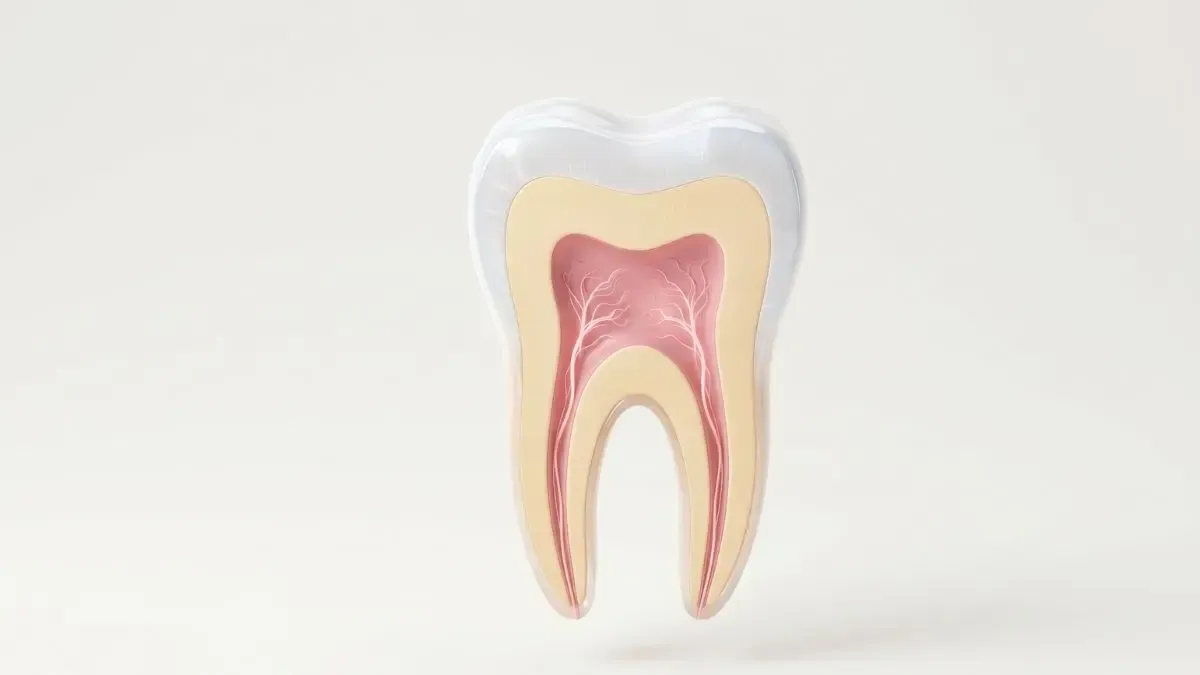
To understand why cold weather causes dental pain, it helps to look at how your teeth are constructed. A healthy tooth is made up of several distinct layers:
The Enamel: This is the hard, highly mineralised outer white shell of your tooth. It acts as a protective shield, defending the inner layers against temperature extremes, physical wear, and decay.
The Dentine: Located directly beneath the enamel is the dentine layer. Dentine is a softer, yellow-coloured structure that contains thousands of microscopic channels, often referred to as microtubules.
The Pulp: At the absolute centre of the tooth lies the pulp, which houses the live dental nerves and blood vessels.
When your enamel remains thick and your gums are perfectly healthy, the inner nerves are well-insulated from the outside world. However, if your enamel thins, or if your gum line begins to recede, these microscopic dentine tubes become completely exposed to the elements.
When you introduce a thermal trigger—such as freezing air or a steaming hot drink—the fluid inside these exposed microscopic tubes shifts rapidly. This sudden movement instantly stimulates the central nerve, sending a sharp, shooting flash of pain directly to your brain.
Why The Canterbury Winter Makes Your Teeth Hurt More
While exposed dentine can cause mild discomfort all year round, the arrival of winter creates a perfect storm of environmental triggers that amplify the problem:
1. Thermal Shock From Extreme Temperature Swings
Teeth, like any structural material, expand and contract slightly when exposed to temperature changes. When you step out of a warm, heated home into a 2°C Christchurch morning and breathe in through your mouth, your teeth experience a sudden drop in temperature. This rapid thermal shock causes microscopic movements in the tooth structure, instantly triggering the exposed nerves underneath.
2. The Shift To Piping Hot Comfort Foods
During the warmer summer months, we naturally gravitate toward room-temperature or cooled foods. In winter, our habits flip completely. We regularly consume piping hot coffees, teas, stews, and soups. Alternating between breathing in freezing outdoor air and consuming hot liquids places immense thermal stress on your teeth, making sensitivity feel much more frequent and severe.
3. Winter Flus And Sinus Pressure
It is incredibly common for locals to visit our practice during winter complaining of what feels like a severe, throbbing toothache across all their upper teeth. Interestingly, this often isn't a dental issue at all.
The roots of your upper back teeth sit directly beneath your maxillary sinus cavities. When you catch a winter cold or suffer from sinus congestion, the pressure inside those inflamed cavities presses down on the dental nerves entering the tops of your teeth. This creates a dull, constant ache that perfectly mimics a dental problem.
Everyday Habits That Accidentally Strip Your Enamel
Many people unknowingly accelerate their tooth sensitivity through daily routines that strip away their natural protective enamel. If you are already prone to winter twinges, be sure to audit these common habits:
The Danger Of Trendy DIY Abrasive Whitening Products
Over recent years, there has been a massive surge in direct-to-consumer online charcoal powders and aggressive baking soda DIY whitening kits. While these products claim to lift surface stains cheaply, they are often highly abrasive. Using them acts like sandpaper on your teeth, permanently scrubbing away your ultra-thin outer enamel and exposing the yellow, sensitive dentine directly beneath.
Scrubbing Your Teeth Too Hard
When it comes to oral hygiene, harder is definitely not better. Brushing your teeth with a stiff-bristled toothbrush or applying excessive physical pressure doesn't clean them any better—instead, it physically hacks away at your enamel and pushes your delicate gum tissue backward, exposing the highly sensitive root surfaces.
Acidic Winter Comforts
Starting your winter morning with a mug of hot water and fresh lemon juice is a popular wellness trend, but it is incredibly destructive to dental health. The high acidity softens and dissolves your enamel on a microscopic level. If you brush your teeth immediately after drinking something acidic while the enamel is in this softened state, you literally brush your protective shield away over time.
Practical At-Home Steps To Calm Sensitive Nerves
If you are dealing with mild winter twinges, you can take several practical steps at home right now to manage the discomfort:
- Switch To A Soft Toothbrush: Always use a toothbrush explicitly labelled as "Soft" or "Ultra-Soft," or transition to a high-quality electric toothbrush built with an integrated pressure sensor to prevent over-scrubbing.
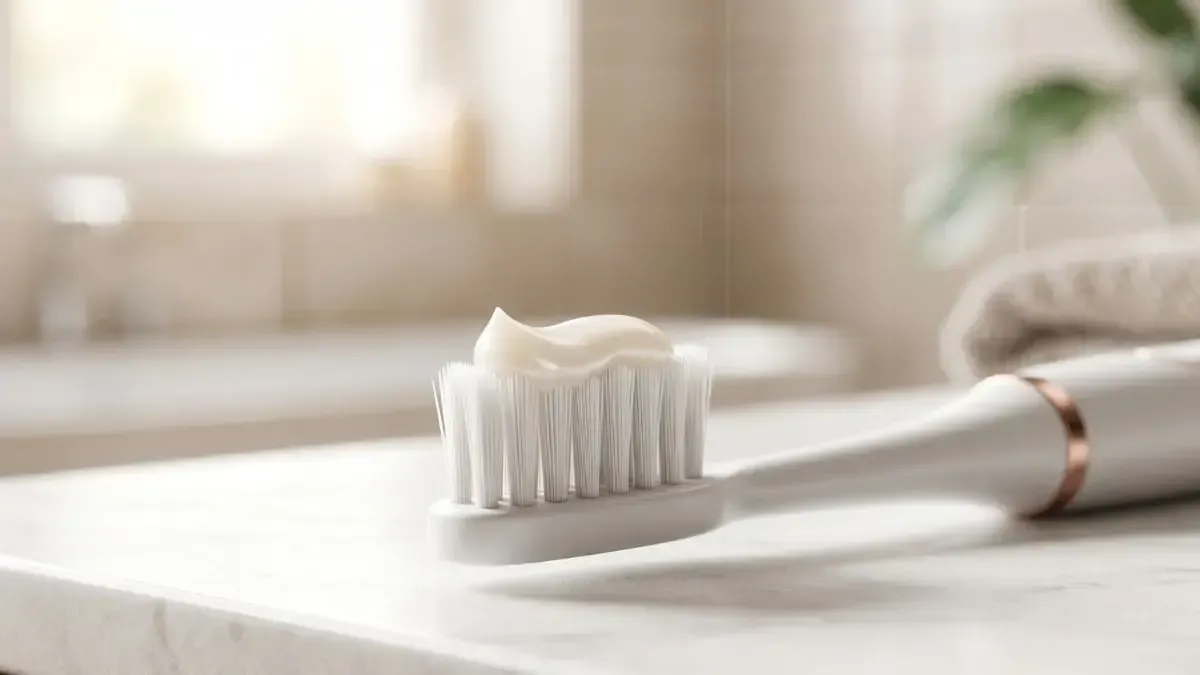
- Use A Dedicated Desensitising Paste: Look for reputable toothpastes containing active ingredients like potassium nitrate or arginine technology. These compounds work by slowly building up a chemical barrier that plugs the exposed microscopic dentine tubes, blocking the pain signals from reaching the nerve.
- Simon’s Application Pro-Tip: Do not just use desensitising toothpaste on your brush. Before going to bed, rub a small, pea-sized amount of the paste directly onto the specific sensitive areas of your teeth with a clean finger and leave it on overnight to accelerate relief.
- Modify Your Breathing: When walking outside on freezing mornings, practice breathing in deeply through your nose and out through your mouth. Your lips and cheeks act as natural insulation, keeping the freezing air away from your teeth.
How Duxton Dental Treats Tooth Sensitivity Professionally
While home care is an excellent first step, it only masks the symptoms. If your tooth sensitivity is severe, persistent, or keeping you from enjoying your meals, it is vital to have it evaluated by our clinical team in Riccarton. Tooth sensitivity can occasionally be a warning sign for deeper issues like cracked teeth, leaking fillings, or active decay.
When you visit Dr. Grahame Dutton and the team, we look through a holistic lens to find the exact root cause of your pain and provide targeted professional solutions:
1. Professional Sealants And Fluoride Varnishes
For standard root exposure or thin enamel, we can apply high-strength, medical-grade desensitising glazes and concentrated fluoride varnishes directly to the affected areas. These treatments chemically seal the exposed dentine tubules instantly, providing a much deeper, longer-lasting barrier than over-the-counter retail pastes.
2. Conservative Composite Tooth Bonding
If severe gum recession has left large areas of your tooth roots completely exposed and raw, we can utilise our artistic composite tooth bonding techniques. By gently placing a small layer of tooth-coloured resin over the exposed root, we completely cover the physical defect, providing permanent insulation from thermal shocks while restoring a smooth look to your gum line.
3. Custom Protective Nightguards For Stress Grinding
Winter illness, general lifestyle stress, or cold weather alignment changes can cause many people to unconsciously clench and grind their teeth at night (a condition known as bruxism). This intense, constant pressure causes structural micro-fractures in the enamel near the gum line, resulting in intense generalized sensitivity. We can engineer custom-fitted nightguards to absorb these forces, protecting your teeth and calming the nerves completely.
Don't Suffer Through The Cold Season: Start Your Journey Today
Winter in Canterbury should be a season enjoyed, not spent flinching at every cold breeze or avoiding your morning flat white. Modern general dentistry offers swift, gentle, and highly effective answers to eliminate tooth sensitivity for good.
If you are tired of dealing with persistent winter twinges, the team at Duxton Dental is here to help. You can easily make an online website enquiry or call our welcoming Riccarton clinic directly on (03) 348 5488 to schedule a focused sensitivity assessment with Dr Grahame Dutton and our clinical team.
We will pinpoint the exact cause of your discomfort, lay out your options clearly, and ensure your smile stays bright, healthy, and completely pain-free all winter long.